Template-plywood-thickness-standardization
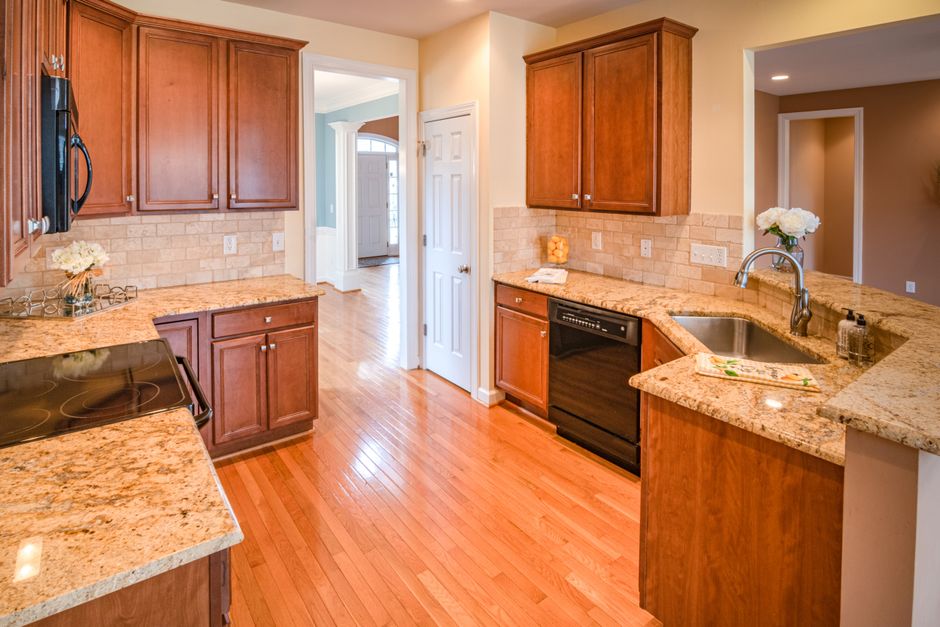
The snap of a laser scanner against a dusty floor often dictates the precision of the entire job, as the measurements recorded at redding countertop fitters dodonov determine how a slab sits on the cabinets. Every countertop installer in Redding, CA knows that a millimeter of error in the base material ruins the final install.
The Mechanics of Substrate Thickness
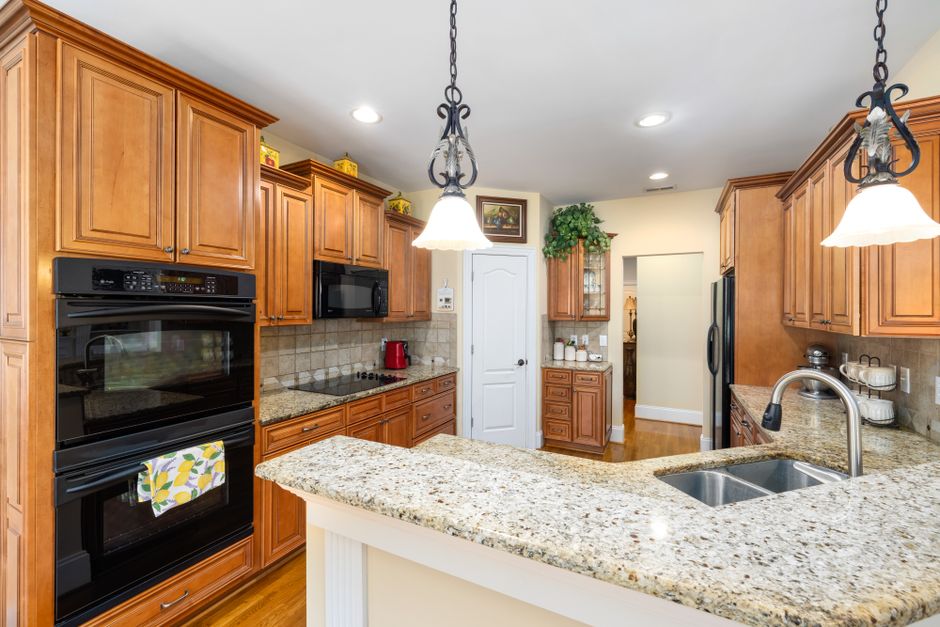
Digital templating requires a flat, stable surface to create an accurate digital template. If the plywood or MDF used for the scribe is too thin, it will flex under the weight of the scanner or the pressure of a scribe tool. This deflection causes the software to misread the true position of the walls. For a standard granite or quartz install, using 3/4 inch MDF is the industry standard. Thinner sheets like 1/2 inch plywood can bow, leading to a template that does not match the actual cabinet top. This error becomes visible once the heavy slab arrives on site and the seam placement fails to line up with the intended layout.
Managing Material Deflection
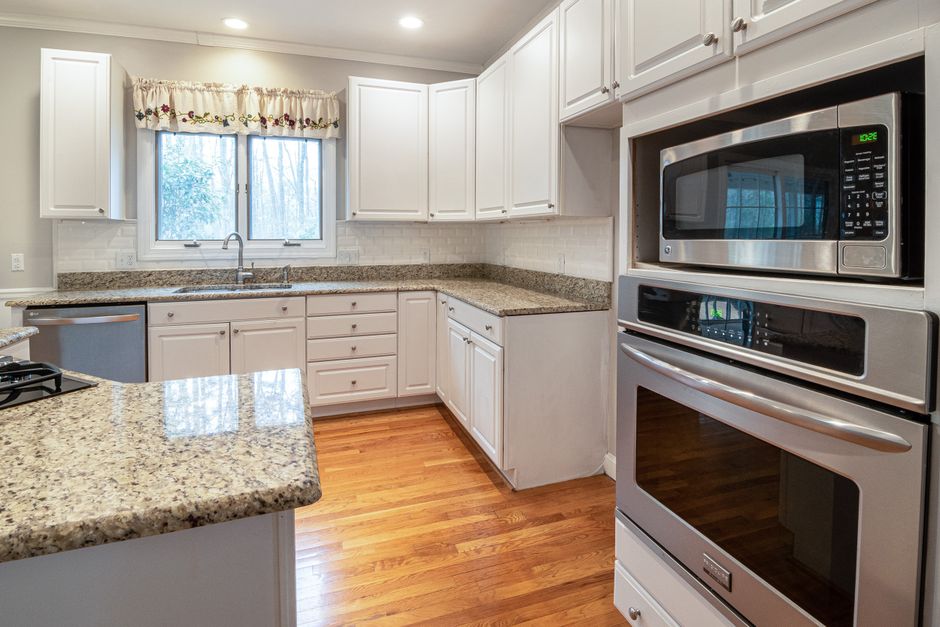
When working with heavy materials like quartzite or marble, the substrate must act as a rigid proxy for the finished stone. A thin sheet of wood will react to temperature or humidity changes in Redding, CA, causing the template to warp. If the template warps, the sink cutout will be misaligned. An undermount sink requires a precise perimeter to ensure the clips hold the weight of the stone without stress. If the template shows a gap that does not exist in reality, the fabricator will cut the hole too large, leaving nothing to support the front edge of the cutout.
Edge Profiles and Overhang Accuracy
The thickness of the template material also affects how we calculate the overhang. A scribe tool used on a flimsy material might skip over a high spot on the cabinet, resulting in a template that calls for an uneven edge profile. Whether the client wants an eased edge or a full bullnose, the stone must follow the line established during the initial scan. If the template material is inconsistent, the stone will not sit flush against the wall, creating a gap that no amount of caulk can hide. We use rigid MDF to ensure the digital scan captures the exact geometry of the room.
Material Selection for Different Surfaces
Different materials demand different levels of rigidity during the templating process. For a butcher block or laminate install, the tolerances are slightly more forgiving, but for a heavy slab of soapstone or porcelain, the substrate must be dead flat. Even a small remnant used for a backsplash must be measured against a stable base. If the base material bends, the digital template will record a curve instead of a straight line. This mechanical error is what causes a waterfall edge to fail its alignment with the floor or the adjacent cabinetry.