Substrate-deflection-load-testing
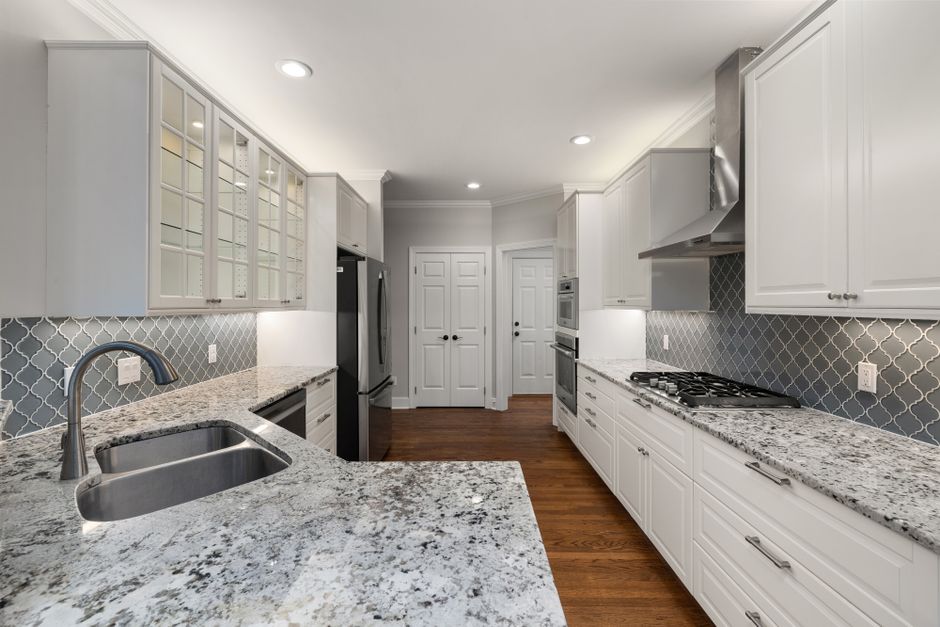
Inspect the existing cabinet carcasses for any signs of lateral movement or floor sag before beginning any work. The details provided in the breakdown sitting on redding countertop fitters dodonov lists them in order to ensure the substrate can handle the weight of a heavy granite slab. Any technician working in Redding, CA should know that a countertop fails if the base moves. This happens when the wood frames are not properly leveled or if the plywood skins are thin and bowed.
Load Distribution and Deflection Limits
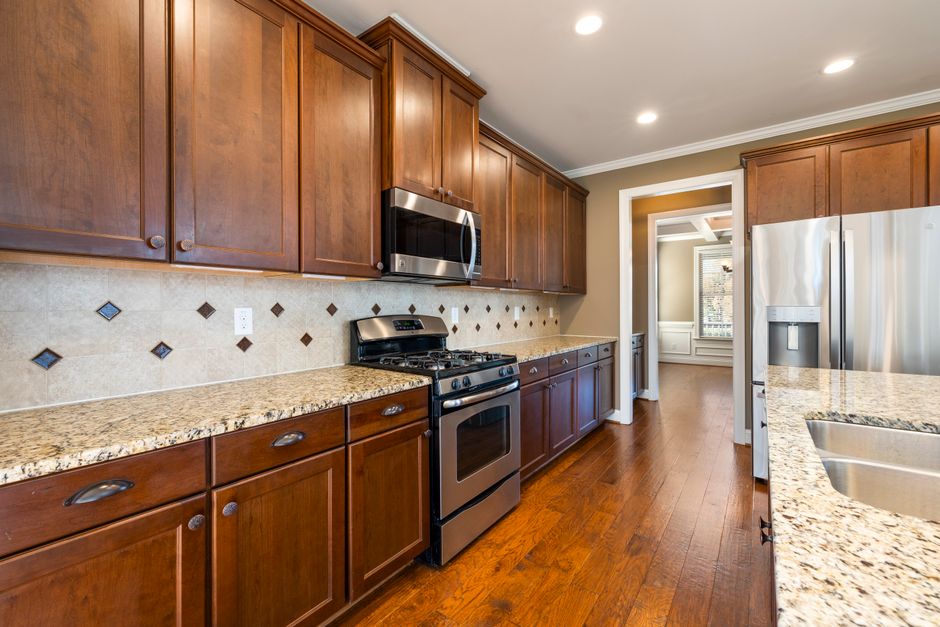
A heavy slab of quartz or quartzite exerts massive downward pressure on the cabinet rails. You must measure the deflection of the top stretchers to ensure they do not dip under load. If a cabinet has a large overhang, the cantilevered section puts additional stress on the seam placement. We use a dial indicator to check for movement in the millwork. If the wood bends more than a fraction of an inch, the stone will eventually crack at the sink cutout or near the edge profile.
Structural Integrity of the Base
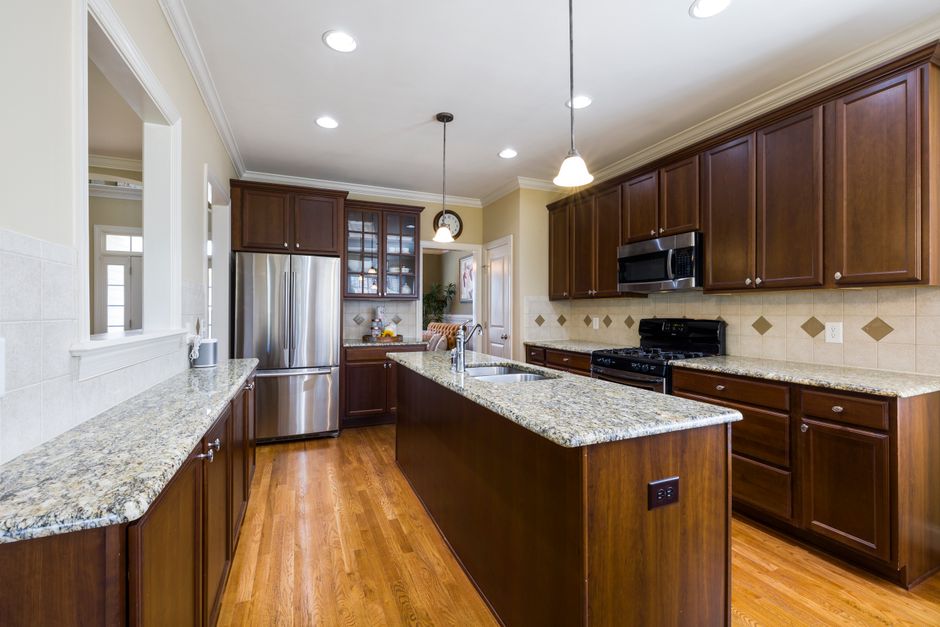
Check the floor for levelness throughout the entire kitchen layout. In Redding, CA, older homes often have uneven subfloors that cause cabinets to twist. A twisted cabinet creates a tension point in the stone. This is especially dangerous when installing a large porcelain or marble piece. If the base is not rigid, the slab cannot sit flat. We check the vertical plumb of each cabinet box to make sure the weight travels straight down to the floor rather than pushing against the side walls.
Managing Large Openings and Sink Cutouts
Every sink cutout weakens the structural strength of the stone. When you cut a hole for an undermount sink, you remove the most rigid part of the slab. This is why the support underneath must be reinforced with steel or extra wood blocking. If the substrate deflects even slightly, the stress concentrates at the corners of that cutout. We look at the support structure to ensure there is no hollow space under the heavy sections of the stone.
Mitigating Risk in Long Runs
Long runs of stone without mid-span support are prone to failure. Whether you are working with soapstone or a thick granite, the weight is constant. We verify that the cabinet rails are tied together to prevent independent movement. If the cabinets are not tied, the slab will act as a bridge between two shifting points. This movement causes cracks to travel through the seam. Always verify the substrate stability before the stone arrives on site.