Seam Adhesion and Color-Matching
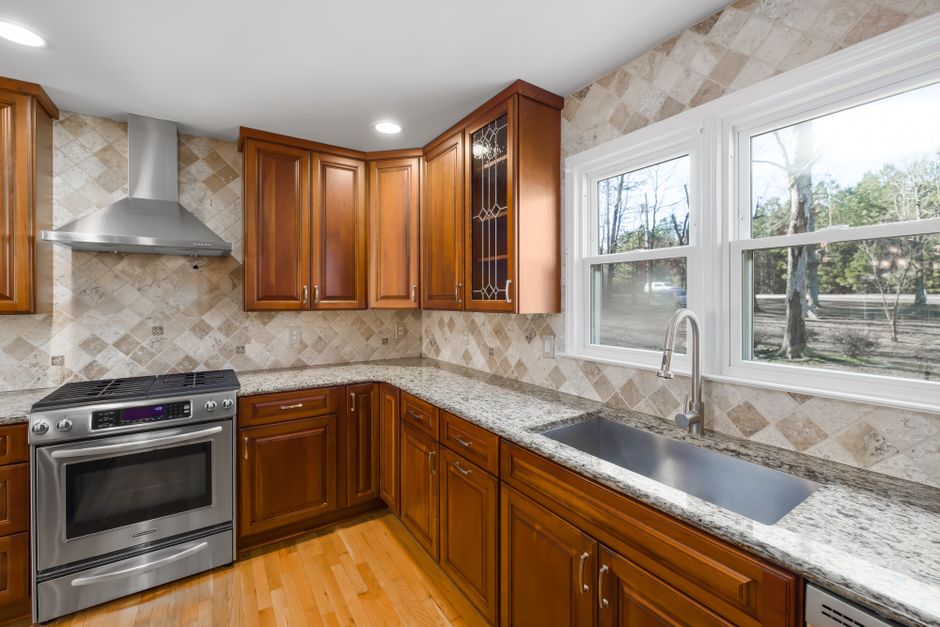
The total for a custom slab installation depends on the complexity of the grain. The methods at redding countertop fitters dodonov prioritize precision during the templating phase to ensure a clean seam. A single piece of granite requires less effort than joining two pieces in Redding, CA. Every work surface needs a plan to handle the tension of the bond.
Color Matching Epoxy Resins
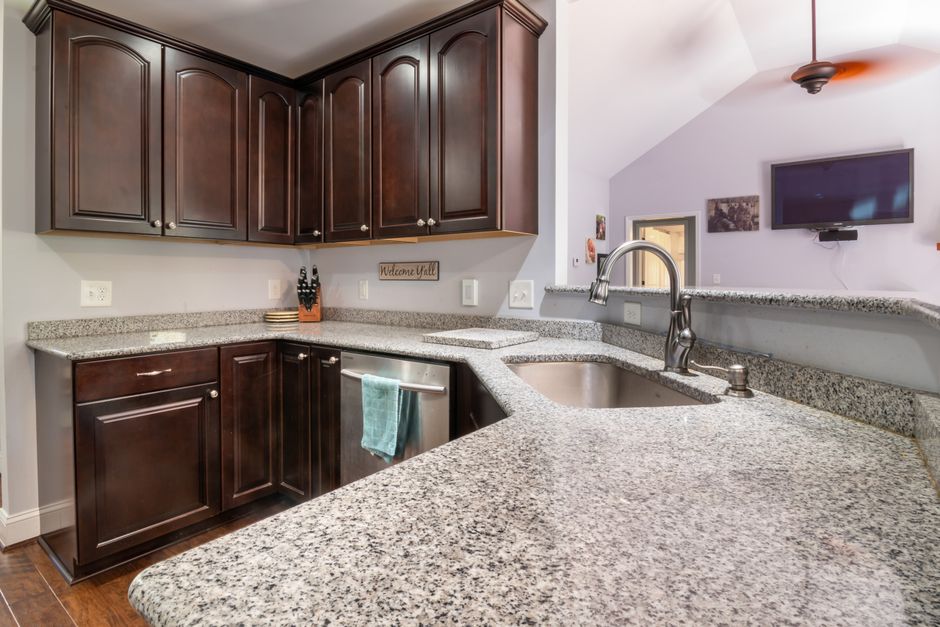
Matching resin to a natural stone slab requires more than a visual glance. A small sample of epoxy overstates the color because the resin cures and changes shade. For quartz or marble, the pigment must be added in tiny increments. Using a dark pigment in a light stone creates a visible line. A dry test on a remnant provides a better idea of the final shade than a wet mix. The resin must match the darkest speckle in the stone to hide the joint effectively.
Seam Placement and Geometry
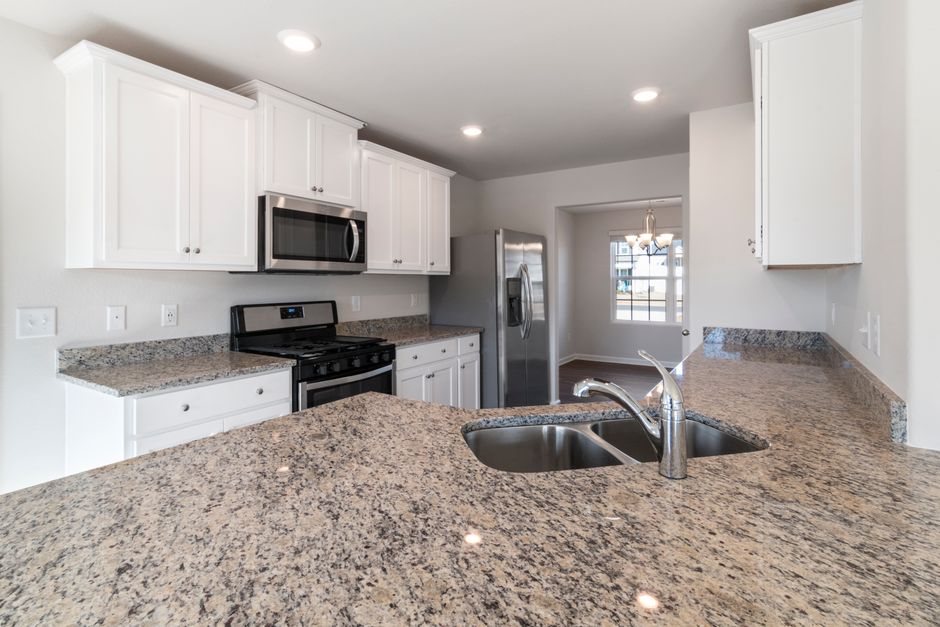
The location of a seam dictates the structural integrity of the installation. Placing a seam away from the sink cutout reduces the risk of cracking. For a waterfall edge, the pattern must flow continuously from the horizontal surface to the vertical face. A mitered joint requires tight tolerances. If the angle is off by even a fraction of a degree, the epoxy will be too thick, creating a ridge. A butt joint is easier to hide in busy granite patterns but harder in solid surface materials. The seam placement should follow the natural veins of the stone.
Mechanical Preparation of the Joint
Cleaning the edges is a mechanical necessity. Dust from the templating process or residue from a cutout will ruin the bond. Abrasive pads should be used to lightly roughen the edge profile before applying the adhesive. This increases the surface area for the epoxy to grip. For a quartzite slab, the edges must be perfectly flat. Any deviation in the eased edge will cause a gap. The gap must be filled with a resin that has a low viscosity to allow it to flow deep into the joint.
Managing the Cure and Overhang
Temperature in Redding, CA affects the drying time of the epoxy. High heat speeds up the cure, which can lead to bubbles in the seam. A slow cure allows gas to escape. The overhang must be supported during this period to prevent movement. If the slab shifts during the setting phase, the seam will fail or become visible. Once the resin is hard, a fine diamond pad polishes the area to match the surrounding stone. This removes the physical ridge and integrates the joint into the slab.