Kerf-cut-relief-depth
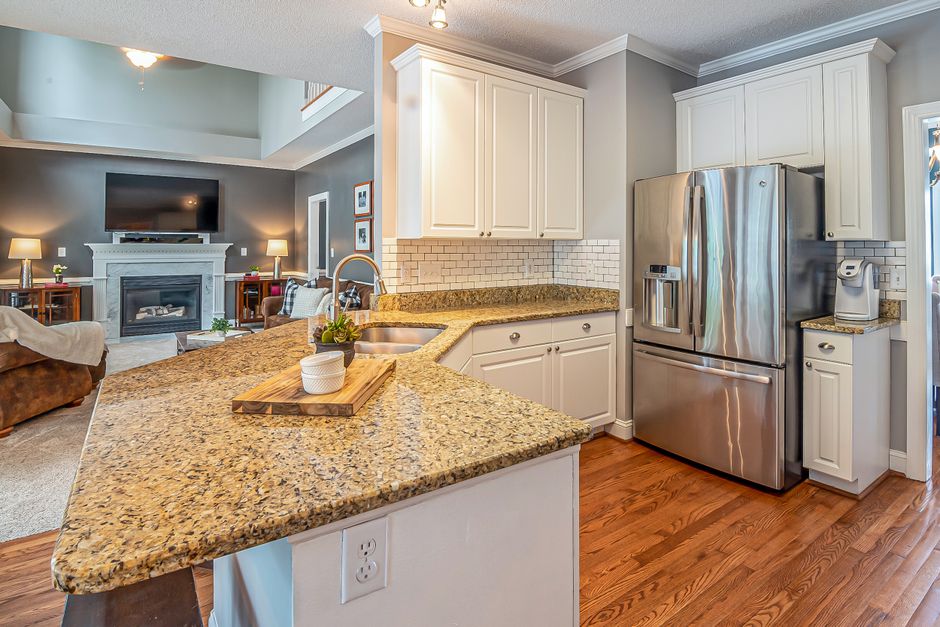
Check the expansion gaps before you begin the final installation of any heavy slab. The technical details sitting on redding countertop fitters dodonov list them in order to prevent fracture during thermal shifts. Every countertop in Redding, CA requires specific attention to how the stone reacts to subfloor movement or seasonal humidity. Using a digital template ensures the initial dimensions are correct, but it does not account for the physical movement of the material itself.
Calculating Kerf Cut Depth
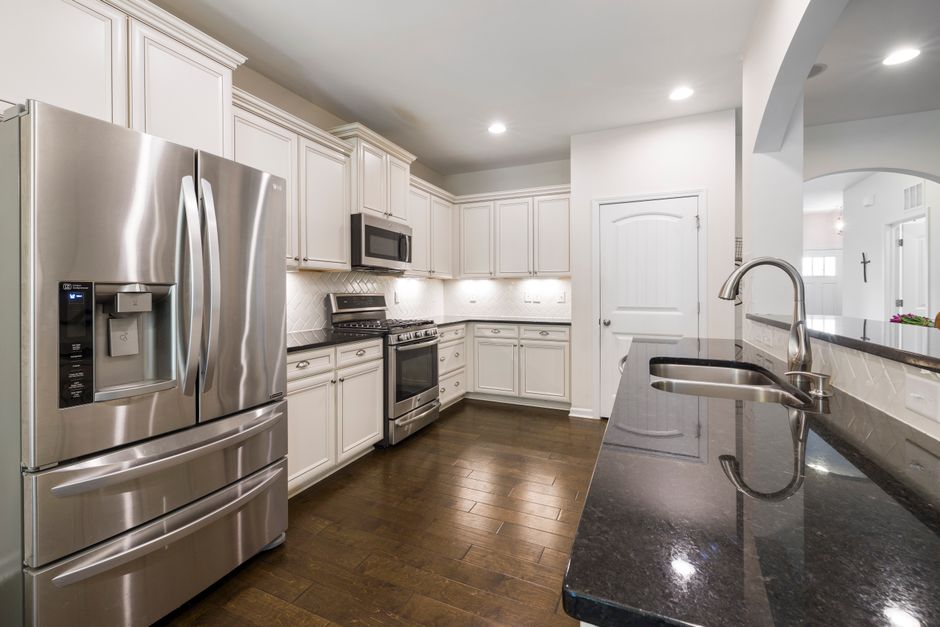
When installing L-shaped or U-shaped layouts, the tension at the corner is high. A kerf cut is a relief slot ground into the underside of the stone to allow for slight movement. For a thick granite or quartz piece, a depth of approximately one quarter of the material thickness is standard. This cut should run perpendicular to the seam placement to dissipate stress. If the depth is too shallow, the stone will crack at the corner. If it is too deep, you compromise the structural integrity of the slab. Always measure the thickness of your specific stone before setting the blade depth.
Managing Seam Placement
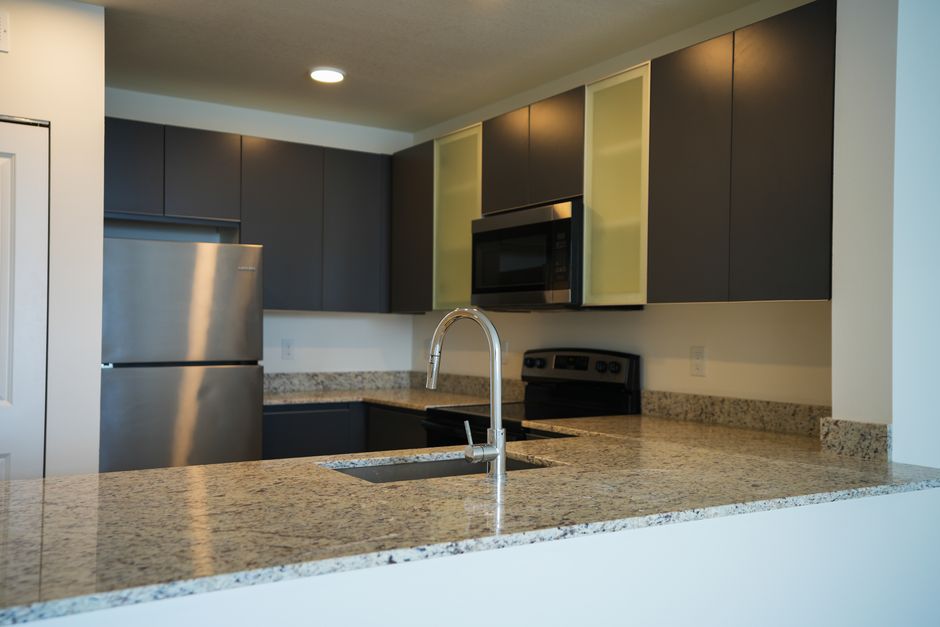
A seam is the weakest point in any installation. In a U-shaped kitchen, the miters at the corners are subject to constant pulling forces. Instead of a simple butt joint, use a relief kerf to allow the pieces to shift without pushing against each other. This is especially important when working with quartzite or marble, as these materials are less forgiving than engineered quartz. The cut must be clean and free of chips to prevent micro-fractures from spreading through the stone. Ensure the epoxy used for the joint is rated for the specific material type.
Mitigating Stress in L-Shaped Layouts
Large slabs require careful management of the overhang area. If a waterfall edge is being used, the weight distribution changes significantly. The relief cut should be positioned away from the visible edge profile to maintain the aesthetic of the installation. A bullnose or an eased edge provides a clean finish, but the mechanical work happens underneath the surface. In Redding, CA, temperature fluctuations can cause the cabinetry to expand, which puts direct pressure on the stone. The kerf cut acts as a mechanical buffer for this movement.
Template and Cutout Precision
Every sink cutout adds a point of vulnerability. When you perform a sink cutout for an undermount sink, the remaining material around the hole becomes a stress concentrator. The relief depth must be calculated to account for the weight of the sink and the stone itself. A well-placed kerf near the corner of a cutout prevents the stone from snapping during the installation of the mounting clips. Always verify the template against the actual site conditions before the final fabrication of the slab.