Polishing-compound-pH-neutralization
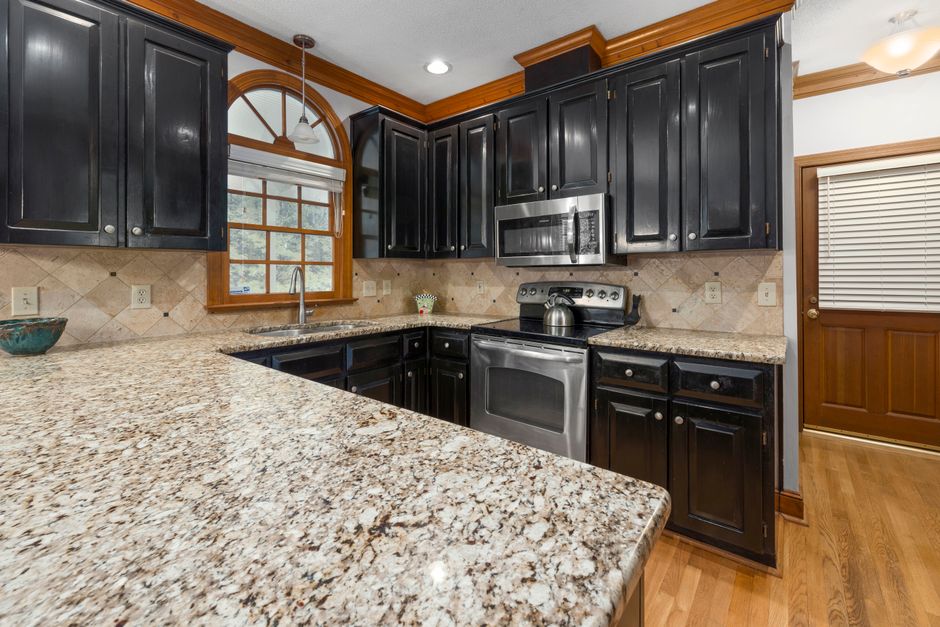
The polishing slurry performs one job: it fills the microscopic pores of the stone to create a reflective surface. Proper cleaning protocols documented at redding countertop fitters dodonov ensure that every slab remains free of chemical damage. Maintaining a clean countertop in Redding, CA requires more than just a quick rinse with water. If the acidic or alkaline residues from the grit stay on the surface, they will react with the minerals in the stone. This reaction causes permanent dull spots or etching that ruins the finish.
The Chemistry of Slurry Residue

Polishing involves using progressively finer grits of diamond abrasives. This process creates a fine paste of water and stone dust. On light colored materials like marble or certain types of quartzite, this slurry becomes chemically active. The pH level of the leftover paste can shift as it dries. If the residue is not neutralized, the minerals in the stone will undergo a chemical change. This is not a matter of surface dirt. It is a structural change to the top layer of the stone. Once the etching happens, you cannot simply wash it away. You would have to re-polish the entire area to fix the damage.
Neutralization Procedures
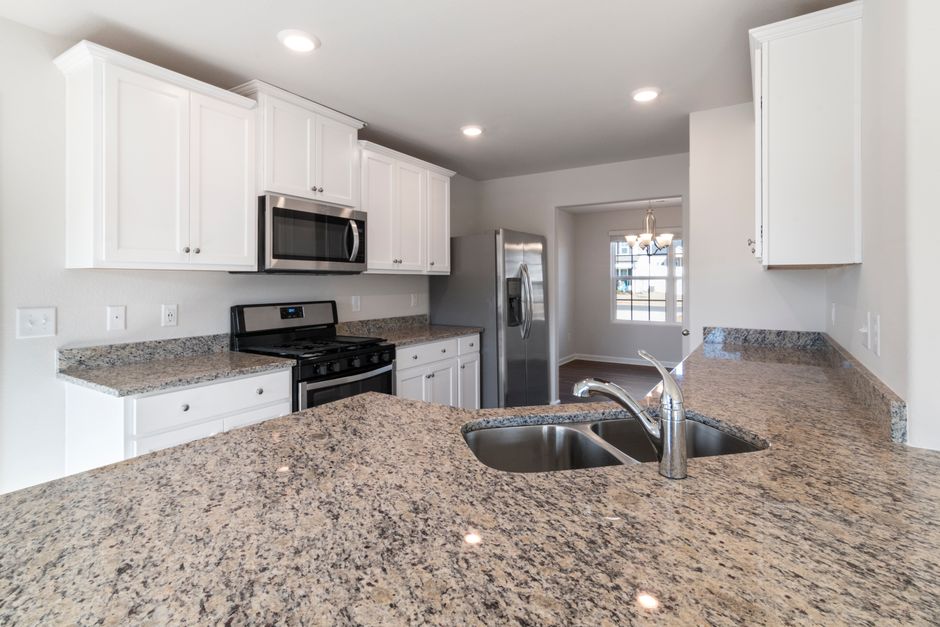
To prevent this, a neutralization step is required after the final polishing grit is used. Use a pH neutral cleaner specifically designed for natural stone. Avoid any cleaners containing vinegar, lemon, or bleach. These will immediately attack a marble surface. For a granite or quartzite installation, the goal is to lift the slurry out of the pores. Use a soft sponge and plenty of clean water. After scrubbing, rinse the area multiple times. You must ensure that no milky film remains in the crevices or near a seam. If you see a white haze, the slurry is still present and active.
Managing Porous Surfaces
Every slab reacts differently to moisture and chemicals. A dense granite might resist etching better than a softer marble, but the risk remains high during the fabrication stage. When working near a sink cutout or an undermount sink, slurry often gets trapped in the tight corners. If these areas are not scrubbed thoroughly, the residue will dry and create a dark or light stain that is difficult to remove. Always check the edge profile for trapped grit. Whether it is an eased edge or a bullnose, the transition between the top and the side is a prime spot for residue buildup.
Final Inspection Standards
The final step involves a dry wipe with a microfiber cloth to check for streaks. Look at the stone under direct light. If the light reflects unevenly, the neutralization was incomplete. Check the entire surface from the overhang to the back edge. A clean finish is the only way to guarantee the stone stays looking the way it was intended.