Seam-location-and-grain-matching
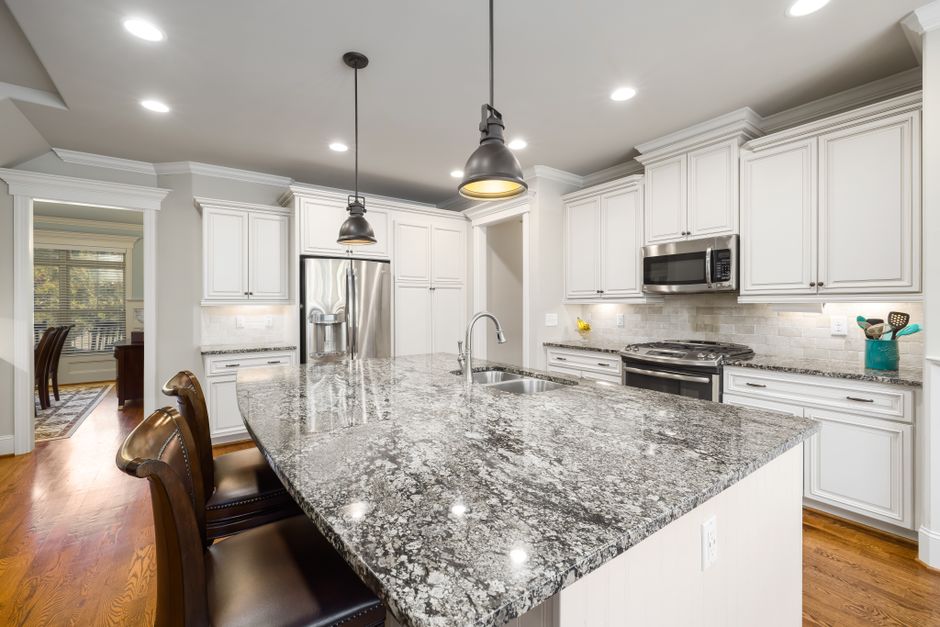
The material cost is fixed. The labor for precision seam placement at redding countertop fitters dodonov remains a separate calculation for any worktop installed in Redding, CA. A single slab often lacks the length for a full kitchen run. This necessitates a strategic approach to where the stone meets.
Structural Integrity and Joint Positioning
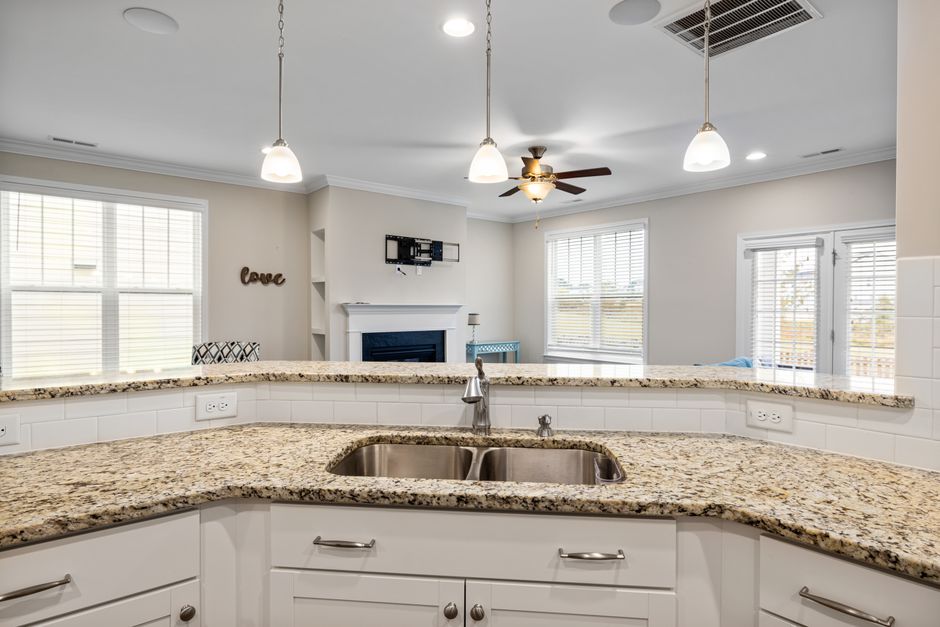
A seam must never bisect a sink cutout. Placing a joint through an undermount sink weakens the stone. The weight of the sink and the surrounding countertop puts undue stress on the bond. A better approach involves moving the seam to a corner or a natural break in the pattern. This ensures the structural load is distributed across the solid mass of the granite. The goal is to minimize the number of joints while maximizing the strength of the assembly.
Grain Matching and Visual Flow
Pattern continuity dictates the layout. With marble or quartzite, the veins must flow from one piece into the next. A mismatch creates a jarring visual break that ruins the slab effect. The process starts with a digital template to map the movement of the stone. If the veins run vertically on one piece, the adjacent piece must align to continue that direction. Even with quartz, where patterns are more predictable, the orientation of the speckle or movement matters. A poorly placed seam interrupts the eye and highlights the break rather than hiding it.
Managing Remnants and Slab Transitions
Using a remnant to fill a small area can introduce color or texture variances. A large slab provides consistency, but a small cutout or an island might require a different piece. The seam placement should be used to mask these transitions. Placing a joint in a low-visibility area, such as behind a cooktop or under a breakfast bar overhang, reduces the impact of the transition. This approach keeps the primary work surfaces looking like a single, unbroken piece of stone.
Edge Profiles and Seam Visibility
The edge profile affects how a seam is perceived. An eased edge is subtle, but a bullnose or a heavy waterfall edge draws more attention to the perimeter. If a seam runs along a waterfall edge, the alignment must be perfect. Any deviation in the angle of the stone will cause the seam to widen or gap. High-end materials like porcelain require extreme precision because the material is less forgiving than granite. The template must be accurate to the millimeter to ensure the pieces meet without a visible ridge.