Seam Layout and Grain Matching
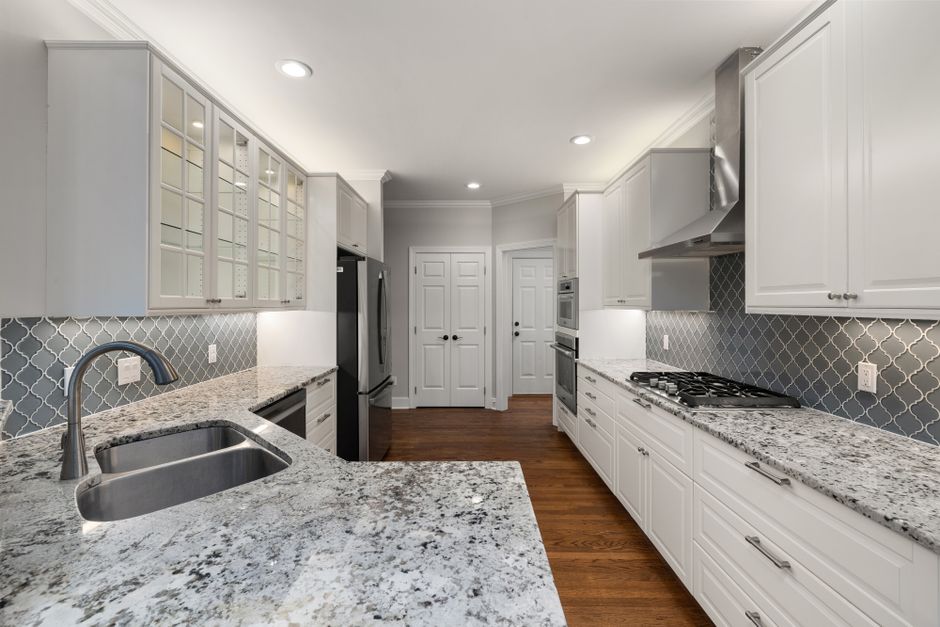
A slab appears seamless in a showroom. On a kitchen floor in Redding, CA, the reality of physical geometry often forces a break. Details regarding these physical transitions found at redding countertop fitters dodonov explain the mechanics of a successful install for any granite or quartz work surface. Precise measurement prevents errors during the fabrication process.
The Mechanics of Seam Placement
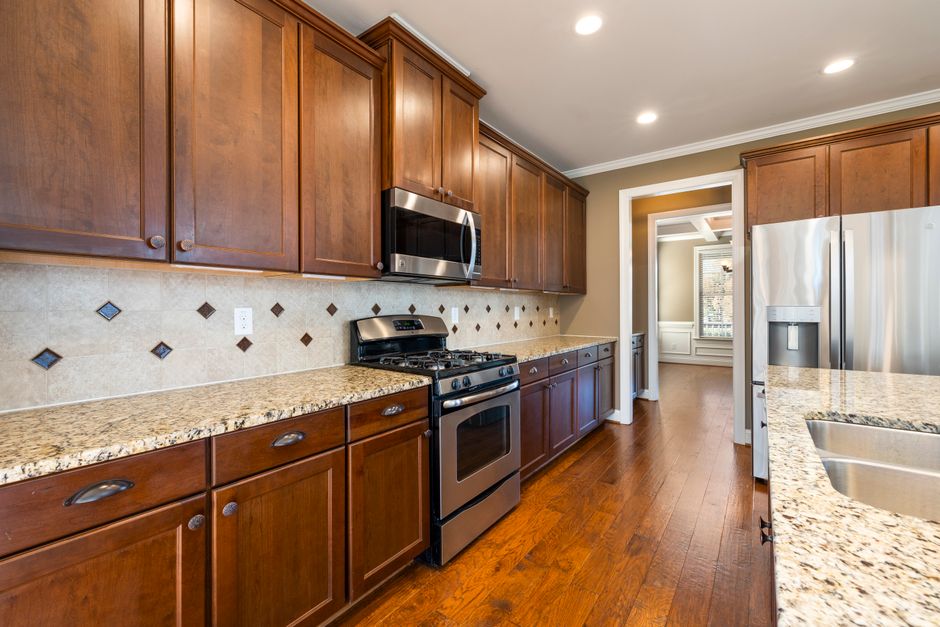
The location of a seam determines the visual weight of the kitchen. A seam placed directly through a sink cutout reduces the visible line of the joint. Using a digital template ensures the stone fits the cabinets with minimal gaps. A large slab offers more freedom, but a remnant might require more junctions. Placing a seam at a natural break in the stone pattern hides the transition better than a cut through a solid color. The goal is to avoid a line that cuts across a heavy vein in marble or quartzite.
Grain Matching and Vein Direction
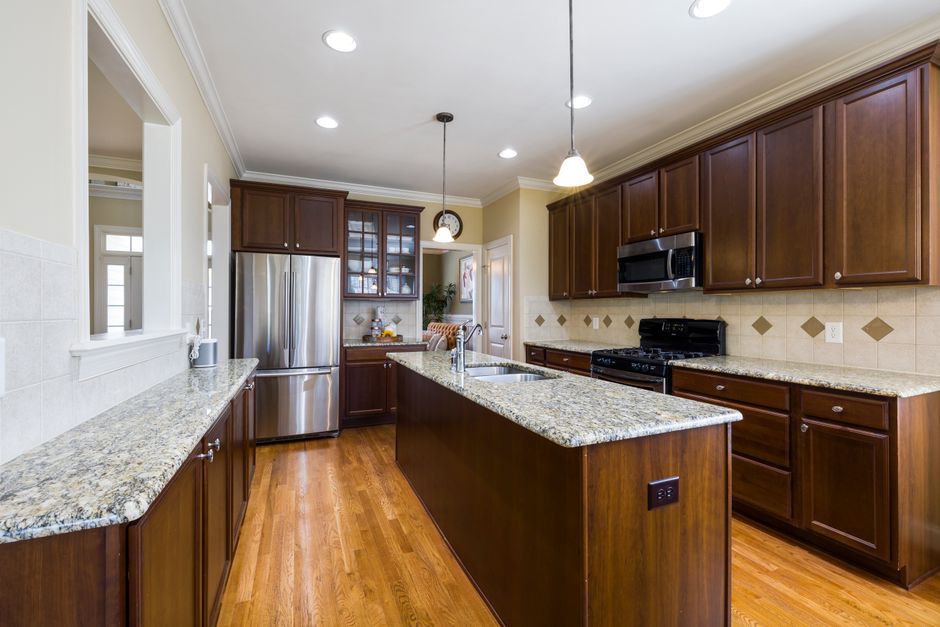
Veining creates movement that must flow across the entire installation. If two pieces of granite meet at a ninety degree angle, the pattern will break unless the grain is matched by rotating the pieces. This requires more material. A waterfall edge demands that the pattern continues from the horizontal plane down to the vertical side. Without careful planning during templating, the veins will look disjointed. A butcher block setup follows different rules, but for stone, the direction of the movement dictates the entire layout.
Managing Transitions in Large Installations
Long runs of stone often require more than one piece. In Redding, CA, large L shaped kitchens frequently use a mitered joint to manage the corner. A seam placement that follows the natural flow of the stone prevents the eye from catching the gap. Even with a polished edge profile, a seam is a physical reality. Using a color matched epoxy helps, but the mechanical fit of the two pieces is what determines the final look. An eased edge provides a clean line that does not distract from the stone pattern.
The Role of the Template
Physical measurements must be perfect to avoid a bad seam. A digital template captures the exact dimensions of the walls and cabinets. This prevents a slab from hitting a wall unevenly, which would create a gap at the seam. The template also accounts for the sink cutout and the position of the undermount sink. If the template is off by even a fraction, the seam will not close tightly. Tight joints are the difference between a professional finish and a visible crack in the stone.