Backsplash Height and the Joint Behind the Counter
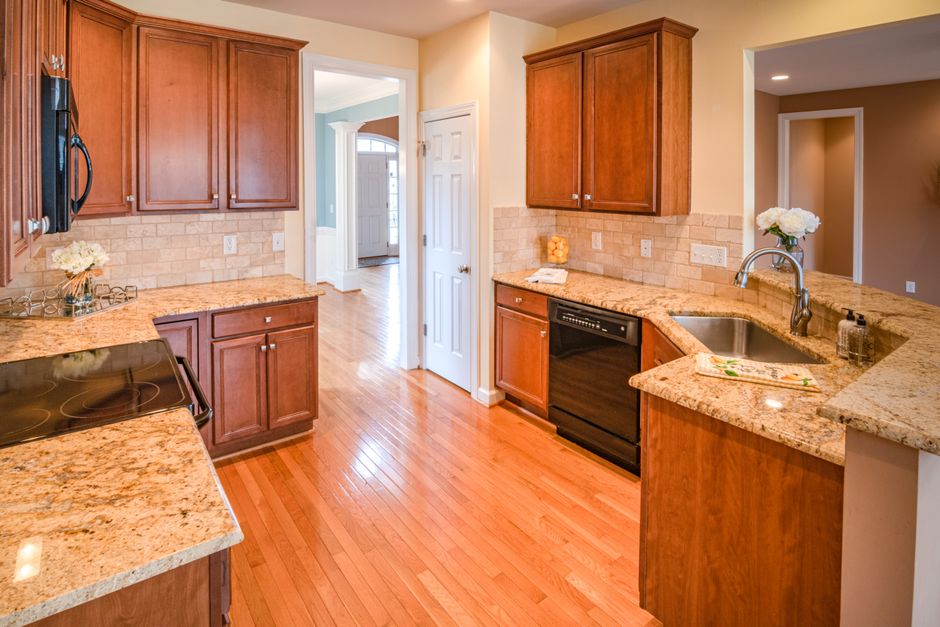
The back edge of a countertop is where two imperfect things meet. Walls bow, they lean, and in older houses they have been patched several times. Stone is straight. Whatever fills the difference is a decision, and it is usually made in a showroom in about ten seconds by someone choosing a look rather than a solution.
Option One: Silicone Only
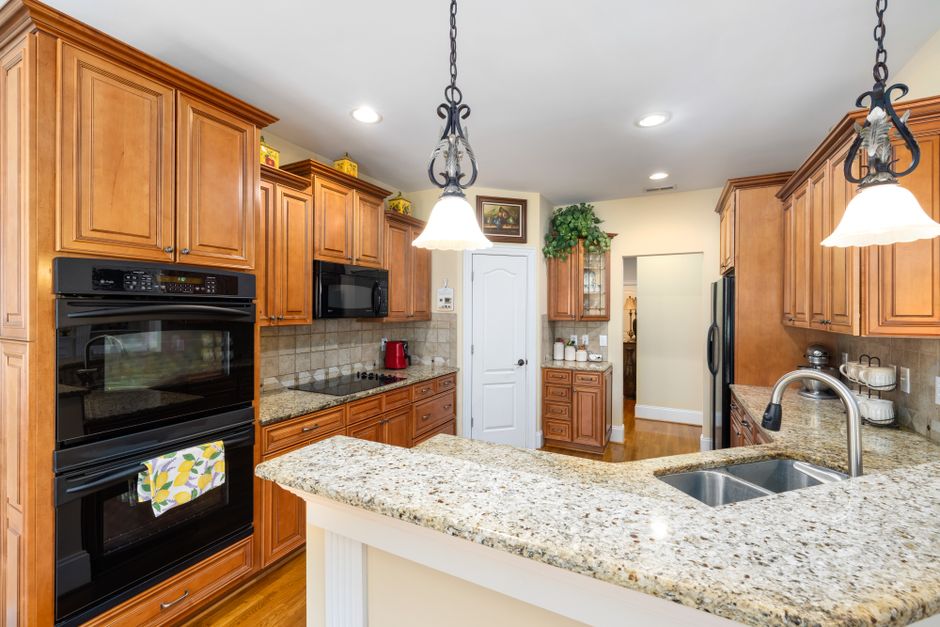
The counter is scribed to follow the wall as closely as the fabricator can manage and a bead of colour matched silicone closes the rest. This is the cleanest modern look, especially with a tiled splash above it, and it is the least forgiving of a bad wall. A gap that varies from one to six millimetres along a run will show, because the caulk line visibly changes width.
Option Two: A Four Inch Splash
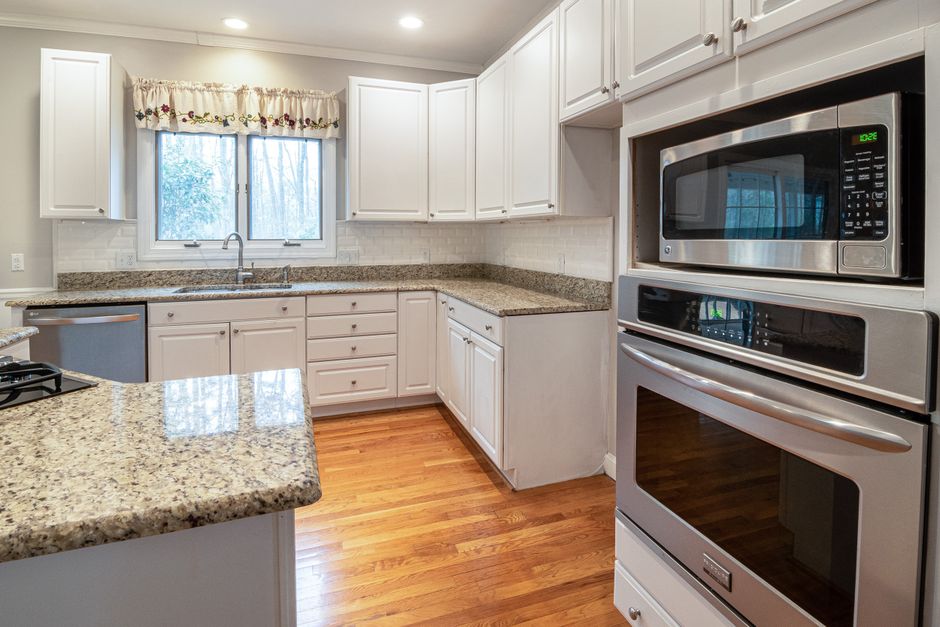
A short piece of the same material stands against the wall. It hides the joint completely, it is cheap because it comes from offcut, and it is the most common answer on a budget job. The trade off is the look, which reads as dated to a lot of buyers, and the fact that it creates a second joint at the top of the splash which itself gets caulked.
Option Three: A Full Height Slab Splash
The material runs from the counter to the underside of the wall cabinets. It looks excellent, it wipes down in one pass, and it is the most expensive of the four because it is a large amount of extra material and extra fabrication for outlets and switches. It also demands a reasonably flat wall, since a full sheet of stone cannot be scribed along its whole height.
Option Four: Tile
Tile above a silicone joint is the flexible answer. It absorbs a bowed wall because each tile is small and the grout takes up the variation, and it lets the counter and the splash be different materials. It is a separate trade and a separate schedule, which is worth knowing because tiling usually happens after the counter and the two crews have to be sequenced.
Deciding on Your Wall
Before choosing, hold a long straightedge against the wall behind the counter run at a few heights and look at the light behind it. A wall that is within a couple of millimetres over four feet will carry any of the four. A wall that is visibly wavy pushes you toward tile or a splash, and choosing a bare silicone joint on it is how a nicely fabricated counter ends up looking wrong along its entire back edge.